

THIS WEBSITE HAS BEEN RETIRED.
Welcome to the IEEE New Zealand Central Section
The NZ Central Section has been serving IEEE members
since 2005 and showing significant growth in
membership through the introduction of targeted new
Chapters, Affinity Groups, Student Branches and specially supported events.
A more detailed history of the Section since its
inception until the present day is
available from here. The boundaries of NZ
covered by our Section may be found on the following
map.
Recently, we started the new Computational
Intelligence Chapter, more details about this and
our other Technical Chapters can be found in
circulated notices and the link provided opposite.
The
Central Section Committee for 2021 can be found through the following
link, please feel free to
contact us with any enquiries.
Section Chapters
There are currently three chapters directly associated with our Section:
- Joint Chapter in Signal Processing and Information Theory
- Power and Energy Society Chapter
- Computational Intelligence Chapter
Nationally Affiliated Chapters
In addition to the above chapters that are directly affiliated with their respective IEEE Societies, our Section is actively involved in National (New Zealand) Chapters affiliated with other major IEEE Societies including:
- IEEE Communications Society
- IEEE Instrumentation and Measurement Society
- IEEE Robotics and Automation
Affinity Groups
We have active groups supporting our diverse memberships:
- Young Professionals - formerly known as GOLD (Graduates of the Last Decade) Group
- Women in Engineering Group
We are very excited to announce
that approval has been granted by the IEEE for
the formation of
a Women in Engineering (WIE) group in our
Section, if you are
interested in joining us, please contact Kanwal Zaidi or Bing Xue who
are on our
committee. A separate webpage can be accessed for the
affinity group via the upper left menu of this webpage
or use this link: Women in Engineering.
There was a t-shirt design competition hosted by AWIS (Association for Women in Sciences) for women in STEM (Science Technology Engineering and Maths) that was
held recently (see our WIE webpage for details) and we are excited to announce that our group leader, Kanwal has been declared the
winner with her design. Congratulations to Kanwal!
Go to the WIE webpage (Women in Engineering) for all the details and
see the
winning design.
Student Branches
We have two Student Branches in our region and we encourage and support students to join these Branches from both Massey University and Victoria University of Wellington. A highlight of the year is a joint presentation day featuring the research students at both universities describing their current research and networking with each other in a friendly and social atmosphere. Postgraduate and Undergraduate students are most welcome to participate in the events. To find out more, please follow this link to the Student Branch pages.
- Massey University Student Branch
- Victoria University of Wellington Student Branch
The Post Graduate Presentation Day will be hosted in 2021 by Massey University if we are at Level 1, or VUW in a large room if we are at level 2 on 26 November with details being arranged by committee members Abhipray and Yuan.
How your membership works for you! - IEEE Benefits
IEEE members can access information on local events and activities by signing in to myIEEE, the members' personalized gateway to IEEE membership. In addition, members can also:- Access individual Society memberships and subscriptions
- Connect with local IEEE Sections and volunteer leadership
- Find upcoming conferences, meetings, and events.
- Learn more about individual benefits
- Read the latest news from IEEE, IEEE Spectrum, IEEE Standards News, and The Institute
Accelerate your plans! As a member, you'll be presented with new resources, valuable opportunities and many discounts that will help you advance your
career in the right direction.
Through your IEEE membership, you can find colleagues who share your vision and commitment-those who are moving technology forward today.
Why not visit the membership benefits page to learn more about the many exciting opportunities available through your membership including discounts, insurance, and much more...
Upcoming General and Technical Meetings, Conferences and Events
Upcoming Region 10 Conferences and Events
ENZ EEG Presentation – Overview of Embedded Networks
Join the Electrical Engineering Group for a presentation by Nick Price (Managing Director) and Mike Peters (Senior Commercial Manager) of Tenco. They’ll provide an overview of private utility networks.
Tenco arranges and manages these networks for commercial property owners – including Kiwi Property, Stride, Precinct and Westfield. Private utility networks are also increasingly common across residential developments, retirement villages and airports.
Nick and Mike will discuss the two primary private utility network structures – also referred to as embedded networks and customer networks.
– What types of properties are suitable for private utility networks?
– Who captures the value from the network?
– What are the benefits and drawbacks?
– How are solar systems and electrical vehicle charging infrastructure integrated into private utility networks?
– What are the typical electrical configurations?
Nick and Mike will also walk you through a recent case study and be available following the presentation to answer your questions.
If interested, please register at: EngineeringNZ.org
Date: 30 March 2022
Time: 5:30pm to 6:30pm
Cost: Free
Location: Online
ENZ Electrical & Mechanical Engineering Group Conference - Call for Abstracts
The Electrical Engineering Group and Mechanical Engineering Group have partnered with
AUT School for Future Environments to host their first conference, being held at AUT
Conference Centre, Auckland on 15th September 2022.
They have extended their call for abstract to diversify the conference programme, as
there is much to be gained from sharing matters of professional practice. You’re
invited to submit an abstract to share your research, discoveries, knowledge and
experience.
There are a variety of formats and your presentation can be put forward for any of
the following:
- 30 minute presentation
- quickfire sessions
- or involvement in a panel discussion
Closing date for abstracts will be Monday, 30th May 2022, and we encourage you to
get in early.
You can submit your abstract here.
This conference provides an opportunity for members and industry networks to
showcase Innovation, future-focused thinking, technical challenges, design best practice
or showcase interesting projects within our field.
Kind regards,
The Conference Organising Committee
Date: 15 September 2022
Time: Unknown
Cost: Unknown
Location: Auckland University of Technology Conference Centre
Items of Interest to Members:
Are you experienced in Web Design?
The Central Section is seeking an experienced web designer who would be able to maintain and update the pages of our website. Applicants must be skilled in HTML coding, a current IEEE member, and to be available for monthly meetings of the executive committee. Applicants should contact the Chair or Secretary of the Section with their details and qualifications. Further information about the position can be obtained also from the above committee members.
Membership Retention Award - 2021
The NZ Central Section Executive Committee is very proud and excited to announce that our Section has received the 2021 Region 10 Best Membership Retention Small Section Award! Special congratulations needs to go to Qi Chen, our Membership Development Coordinator. Well done. Thank you also to our members for staying loyal, engaged and participating in the many events organised by our specialist coordinators and hope that your continued support will enhance your careers and be of great benefit in establishing connections to colleagues for your network and identifying useful benefits from our conferences, journals and other events. These are especially challenging times for our country and the rest of the world, as the COVID-19 virus wreaks havoc in our lives and livelihoods, please stay safe!
The announcement was sent to us on behalf of 2021-2022 IEEE Region 10 Awards & Recognition Committee (ARC) Chair, Prof. Wu Qun
Recent report from the chairman of the IEEE Joint NZ North, South, Central ComSoc Chapter
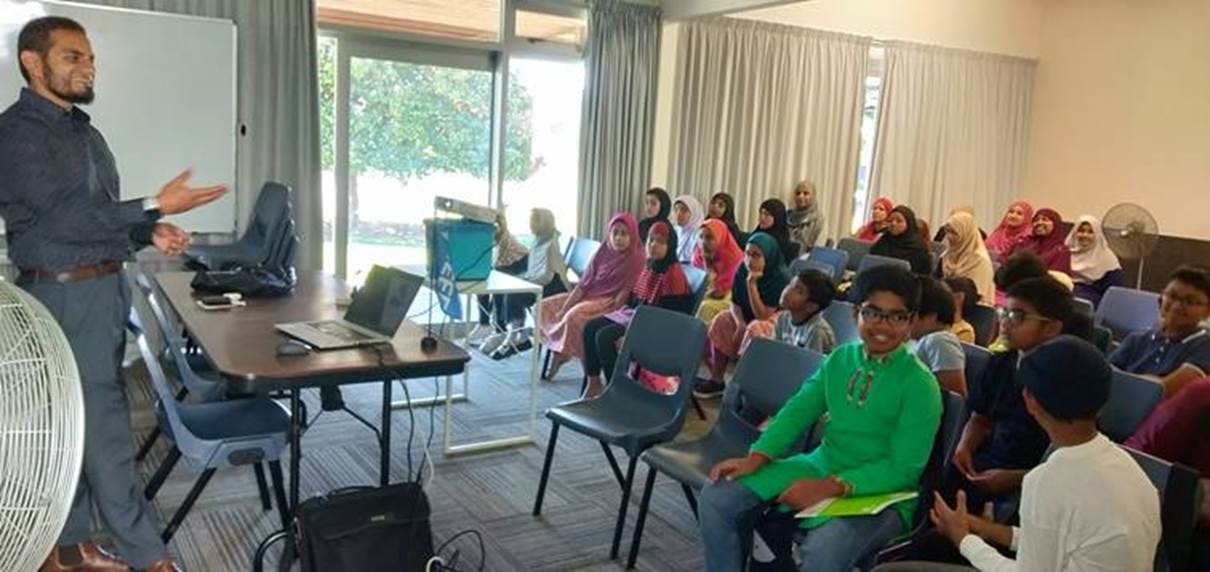
2021 IEEE Community Workshop: We had a successful community workshop at IQRA academy (YMCA Complex, Rocket Park, Mt Albert Auckland) on Saturday 20 February 2021. About 60 people attended the event mostly students and their parents. This workshop provided an overview of IEEE resources for students and offered an interactive session on some aspects of emerging communication technologies for humanity. Organising Chair A/Professor Sarkar opened the workshop by introducing IEEE mission and vision and role it plays for the professional development of the members of the wider community. The potential benefits of joining IEEE were highlighted. Dr Farhaan Mirza (Auckland University of Technology) gave an interesting lecture ‘Revitalizing and preserving languages using technology’ followed by interactive Quizzes.
2021 Recruiting new Members: We managed to recruit 24 new ComSoc members mostly PhD students from New Zealand Universities who will contribute to the welfare of the members of the society. This campaign was supported by ComSoc special grant of US$300 that we received through contestable grant application last year.
Nurul I Sarkar, PhD, SMIEEE (ComSoc), Fellow ITU-UUM
Chairman, IEEE Joint NZ North, South, Central ComSoc Chapter
Associate Professor
Department of Computer Science, IT and Software Engineering
School of Engineering, Computer and Mathematical Sciences (D-75)
Auckland University of Technology
Level 1, AUT Tower, 2-14 Wakefield St, Auckland 1010, New Zealand
Address for correspondence:
Private Bag 92006, Auckland 1142, New Zealand.
Rules for Technical Co-sponsorship of Conferences
A recent decision has been taken by the IEEE concerning techical co-sponsorship
fees for conference Co-sponsorships following problems concerning quality of conferences in this category. A notice has been
circulated to Section and Council Chairs by Mr Michael Ong who is currently the R10 Conference
Quality and Management Committee Chair. The fee that will now have to be charged for such co-sponsorship for
any conferences occurring after 31st December 2020
is outlined below:
This TCS fee will apply to technically co-sponsored
conferences in which there is no IEEE financial
interest.
The new TCS fee structure is as
follows:
• US$ 1,450 per event
• US$ 22 for
each paper submitted to IEEE Xplore®
News from the IEEE NZ Central Section Committee
Collabratec Initiative

Job Seekers:
Look for job postings and other career opportunities in IEEE Collabratec. Visit the Opportunities section to:
- Search job listings and filter by location, interest, and posting date.
- Manage your saved job listings for quick reference and review.
There are over 2,100 jobs posted in IEEE Collabratec in technical areas such as: ,
- Communications (signal processing), over 1,000 jobs posted
- Energy, over 600 jobs posted
- Information Technology, over 600 jobs posted
- Nuclear and Plasma Sciences, over 300 jobs posted
- Biomedical Engineering, over 300 jobs posted
- Cybersecurity, over 100 jobs posted
Make yourself visible to recruiters who represent the top technology firms in their respective industries. Get started by enabling your Employment Preferences under the Settings tab in Opportunities. Identify your desired interest in areas such as:
- Job type (Full-time, Part-time, Temporary, Internship)
- Preferred amount of business travel
- Willingness to relocate
- Employer location (Country, State, City)
- Annual salary


Please help us grow our membership by suggesting that your associates join the IEEE to receive and enjoy the many benefits of participation
in this world-wide engineering organisation!
Follow this
link to renew your membership or direct a
colleague to the IEEE membership website.

Recent Events
Please follow this link for more events that were held by or supported by our Section in 2020.
IEEE NEW ZEALAND CENTRAL SECTION AGM 2021
The IEEE New Zealand Central Section will host the Annual General Meeting on 26 November. We were calling for nominations of the following positions:
- Chair
- Deputy Chair
- Secretary
- Treasurer
- Webmaster
- Industry Coordinator
- Membership Coordinator
- Young Professional Coordinator
- Women-In-Engineering Coordinator
- Professional Coordinator
- History Coordinator
- Education Coordinator
Please submit your nomination(s) by sending email to
yi.mei@ecs.vuw.ac.nz by
15 November 2021.
Event details:
- Date: 26 Nov 2021
- Time: 06:00 PM to 08:30 PM
- Location: University of Wellington:
- Registration link:Please register here
- AGENDA:
- Welcome / Apologies
- Minutes of the last AGM and Matters Arising
- Chair’s Report
- Finance Report
- Elections and Committee
Confirmation/election of nominated officers: - Chair
- Deputy Chair
- Secretary
- Treasurer
- Webmaster
- Industry Coordinator
- Membership Coordinator
- Young Professional Coordinator
- Women-In-Engineering Coordinator
- Professional Coordinator
- History Coordinator
- Education Coordinator
- Resolutions
- Other Business
Please see the Committee page for the details of the 2022 new executive.
WIE Virtual Event - 26th November 2021
Our WIE Affinity group is co-hosting a virtual event on grant application process on 29th November 2021, please see the flyer attached.
We would like to invite you to join in and please help us spread the word. A flier is available from
here.
The details of the speaker and registration link are as follows:
Title: Navigating Competitive Grant Application Processes
Date and Time: Monday, 29 November 2021, 12:00-13:30 AEDT
Presenters:
1. Dr. Roba Abbas, School of Business, University of Wollongong, Australia
2. Prof. Katina Michael, School for the Future of Innovation in Society, Arizona State University, US
Registration link: Please register
here:
2021 IEEE NZ Wireless Workshop - 19 November (Rescheduled)
The IEEE NZ Wireless Workshop was to have been held at Victoria
University of Wellington on Friday 27 August 2021 (9:00am
to 5:30pm. However, due to COVID-19 restrictions, this event has now been rescheduled: The new date for the IEEE NZ Wireless Workshop is now Friday 19 November 2021.
Venue: Maclaurin Lecture Theatre 102, Victoria University of Wellington, Kelburn Campus.
A proposed programme is available from
here.
State Sector Decarbonisation Fund – An Enabler for Change - Joint Institution Event - 24 November, 2021
 |
 |
 |
The Engineering New Zealand Electrical Engineering Group welcomes Engineering New Zealand members for an informative presentation by EECA on how the
State Sector Decarbonisation fund is helping deliver a carbon neutral New Zealand. In addition to Engineering New Zealand Members we warmly welcome
members of the IET (Institution of Engineering and Technology), the IEEE (Institute of Electrical and Electronic Engineers), and members of the IES
(Illumination Engineering Society) to join us.
Description: EECA is a Crown Entity tasked with shifting New Zealand’s energy usage and a move to renewable sources.
Paul will share how funding streams through EECA can help Govt agencies deliver on the Carbon Neutral Government Programme. The State Sector Decarbonisation Fund (SSDF)
has been running since 2019 and has $219.5M allocated to decarbonise the state sector, with 56 projects announced to date. Paul will share details on
those projects that are already enabling change.
About the Presenter: Paul Bull, Account Director - Public Sector, Energy Efficiency & Conservation Authority (EECA)
Paul has spent a number of years in the energy sector, working for a multinational fuel company and a large NZ energy generator and retailer.
This has provided Paul with the experience and exposure to driving EECA’s direct engagement programme in several guises over the last 7 years.
Paul has lead the team helping to decarbonise the Government estate with the aid of EECA toolkits coupled with some co-funding money.
Knowing he can make a difference is what gets Paul out of bed.
Location: On-line meeting
Date: 24th of November, 2021
Time: 530PM
Registration link at ENZ, please indicate your affiliation: Please register here
Make a difference Together Virtual Series - Monday 25th October
We have organised a virtual event in collaboration with IEEE NSW section on 25th October from
2 - 3:30 pm NZ time. Dr. Melanie Ooi, assistant dean (research) from the
University of Waikato will be joining us to give a talk on
“IMS Insights Into Intelligent System Deployment”. The event
flyer is attached for further details.
Please register for this event so that you may be provided with the relevant ZOOM link.
Registration: Link:
https://events.vtools.ieee.org/m/284951
Event is jointly organized by IEEE NSW WIE and IEEE NZ Central Section WIE Affinity Groups
Contact:
k.zaidi@massey.ac.nz, or
naila.mukhtar@ieee.org for further information.
Joint Institutions Breakfast Event - 28th October 2021
|
|
|
|
All members and guests of the IEEE Central Section, IET Wellington Network and ENZ Wellington Branch are welcomed to a special event,
hosted by all three institutions on the morning of 28 October 2021 in Central Wellington. The guest speaker for this event is John Clarke,
General Manager, Grid Development, Transpower, who will address the need for a sustainable energy future for New Zealand which will be
enabled by electrification of the NZ economy supported by renewable generation.
It will be recognised that this event is being held in unusual times. With COVID-19 present in the environment members' safety is our
priority, so we have worked closely with the venue to ensure that appropriate safeguarding and hygiene measures are being followed. Please
do not attend this event if you feel unwell, are displaying any symptoms of the coronavirus or believe you may have been in contact with
someone with the virus. The event is being organised in compliance with NZ COVID-19 Level 2 Alert conditions, with spacing and sanitising
appropriate to this level. If the Level increases above 2 then the event will be cancelled. If you have any questions, please contact the
event organiser at
murray.milner@xtra.co.nz
The details are:
Topic: Sustainable Energy Future Enabling electrification of the NZ economy supported by renewable generation
Speaker: John Clarke (FEngNZ | MIEEE), General Manager, Grid Development, Transpower
Date: 28 October 2021,
Time: 7:15AM for a 7:30AM start
Venue: Wellesley Boutique Hotel, 2-8 Maginnity Street, Wellington 6011
Cost: $15.00 for members of any of the three hosting institutions, $30.00 for any non-member guests.
RSVP: Essential via ENZ registration or IEEE vTools (Numbers are limited, so first in first served, for registrations)
vTools Registration Link:
https://events.vtools.ieee.org/event/register/283880
Engineering NZ Link: https://www.engineeringnz.org/courses-events/event/joint-institutions-breakfast/
| Abstract: New Zealand’s transition to a sustainable energy future requires a significant reliance on renewable electricity to decarbonise the energy sector. Transpower’s Whakamana i Te Mauri Hiko sets out the opportunities and challenges in enabling this transition, including its impact on our electricity infrastructure, to provide cost effective, resilient and reliable outcomes. Transpower is working across the energy sector to enable and deliver the transition, including the connection of renewable generation and electrification of process heat and transport needs. A key part of this is the development of the New Zealand transmission grid backbone under Transpower’s Net Zero Grid Pathways Programme to ensure we can meet our climate change goals. |
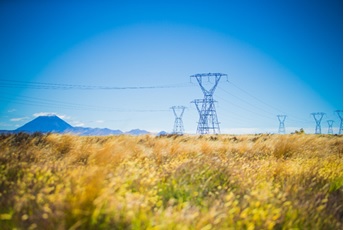 |
In his interactive session, John will highlight the opportunities in enabling the transition to a sustainable energy future and the challenges being addressed by Transpower.
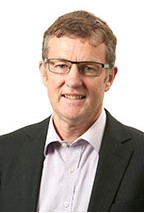
| Introducing Our Speaker John Clarke FEngNZ, MIEEE, is the General Manager Grid Development at Transpower, the owner and operator of New Zealand national electricity grid. He has recently held the role of GM Operations and has previously held the role of GM Grid Development when Transpower invested in significant grid upgrades from 2008-2013. In his 20 plus years at Transpower John has overseen the evolution of Transpower’s system planning, asset management, innovation activities as well as the operation of the New Zealand electricity market and power system. His earlier career in the New Zealand electricity sector has included roles in electricity distribution and electrical engineering consulting. |
 |
A Joint Institution Event - Considerations when specifying distribution transformers in the future
|
|
|
|
You are invited to join The Electrical Engineering Group, which includes Engineering New Zealand, the Institute
of Electrical and Electronic Engineers (IEEE) and the Institution of Engineering & Technology (IET), for a
presentation by ETEL’s Innovation Manager Dr Dan Martin on what to consider when specifying distribution transformers for the future.
The details are:
Date: 15 Sep 2021,
Time: 5.30PM – 6.30PM
Location: Online -Due to COVID restrictions
Duration: 1 hr
Cost: Free event
Synopsis::
Transformers are at the hearts of our networks, and typically last for many decades. Consequently, it pays to be forward thinking now when planning their use.
So, what do we see happening in the 2020s?
- Reductions in network downtime as IoT provides more monitoring options on both the transformer and across the network.
- Reductions in operating risk brought about by new materials and transformer manufacturing processes.
- Community uptakes of electric transport and rooftop PV resulting in two way power flow, and smart transformer technology being necessary to manage this new dynamic grid.
Following the presentation Dan will be available to take your questions.
Due to potential Covid restrictions this will be an online presentation only.
Brief Report:
At least 36 people indicated that they were members of IET and/or IEEE and attended the event. Overall, it was a very successful event as there were a total of 231 people who registered to hear this interesting talk by the speaker which was conducted virtually due to Covid restrictions.
IES ANZ Wellington Lighting Supplier Trade Show - July 22nd
The IEEE Central Section is delighted to collaborate with the IET in joining them for this Lighting Trade Show Event. The details are given below:
Event: IES ANZ Wellington Lighting Tradeshow
Date: Thursday, 22ndJuly, 2021
Time: From 5:00pm to 7:30pm.
Location: Basin Reserve, Wellington
The link to a flyer for this event is located here.
Computational Intelligence - IEEE Congress on Computational Intelligence
20-30 papers from the local chapter were contributed to the IEEE Congress on Computational Intelligence hosted by Poland this year. A tutorial was also provided by Yi and Bach – all virtual.
Communications Society Distinguished Lecturer Virtual Lecture - 8th July
You are invited to attend the following IEEE Communications Society (ComSoc) Distinguished Lecturer (DL) Virtual Lecture organised by the IEEE Joint NZ North,
South, and Central ComSoc Chapter. This is the third
talk in a series of 3 virtual lectures by IEEE
distinguished speakers.
Speaker: Professor Kaibin Huang (The University of Hong Kong)
Title: Mobile edge computing for 5G-and-beyond
Date: Thursday 8th July 2021
Time: Starting at 4 pm (NZ time)
Link to Registration: (To get your Free Zoom link)
https://events.vtools.ieee.org/event/register/272805
Please contact Associate Professor Nurul I Sarkar at
nurul.sarkar@aut.ac.nz for more details
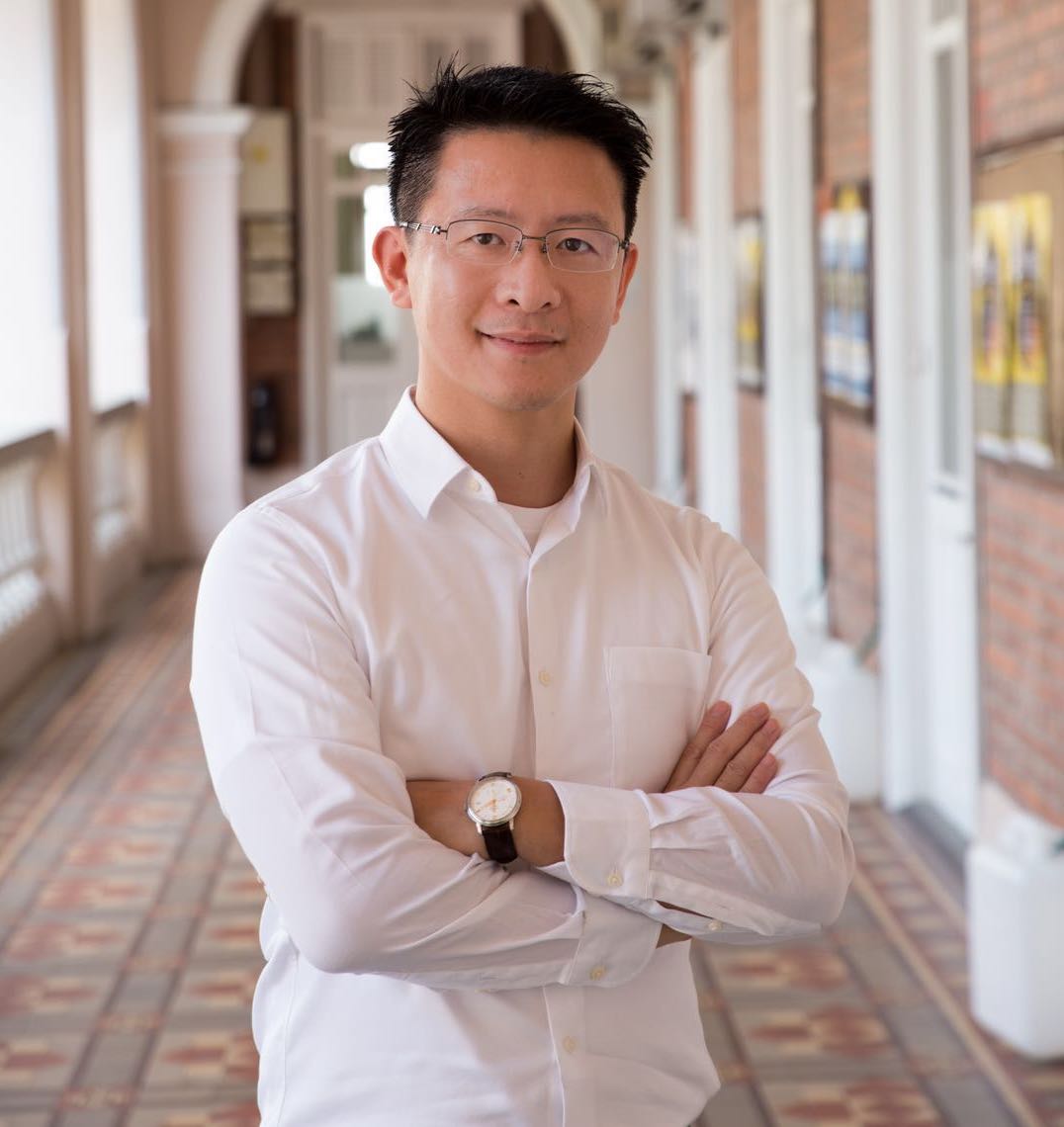
| Biography: Kaibin Huang received the B.Eng. and M.Eng. degrees from the National University of Singapore, and the Ph.D. degree from The University of Texas at Austin, all in electrical engineering. Presently, he is an associate professor in the Dept. of Electrical and Electronic Engineering at The University of Hong Kong, Hong Kong. He received the IEEE Communication Society’s 2019 and also 2021 Best Survey Paper Awards, 2015 Asia Pacific Best Paper Award, and 2019 Asia Pacific Outstanding Paper Award as well as Best Paper Awards at IEEE GLOBECOM 2006 and IEEE/CIC ICCC 2018. Moreover, he received an Outstanding Teaching Award from Yonsei University in S. Korea in 2011. He has served as the lead chairs for the Wireless Comm. Symp. of IEEE Globecom 2017 and the Comm. Theory Symp. of IEEE GLOBECOM 2014 and the TPC Co-chairs for IEEE PIMRC 2017 and IEEE CTW 2013. He is an Executive Editor for IEEE Transactions on Wireless Communications, an Associate Editor for Journal on Selected Areas in Communications (JSAC), and an Area Editor for IEEE Transactions on Green Communications and Networking. Previously, he has also served on the editorial board of IEEE Wireless Communications Letters. Moreover, he has guest edited special issues for IEEE JSAC, IEEE Journal on Selected Topics on Signal Processing, and IEEE Communications Magazine. He is an IEEE Fellow and an IEEE Distinguished Lecturer of both the IEEE Communications and Vehicular Technology Societies. He has been named a Highly Cited Researcher by Clarivate Analytics in 2019 and 2020. |
 |
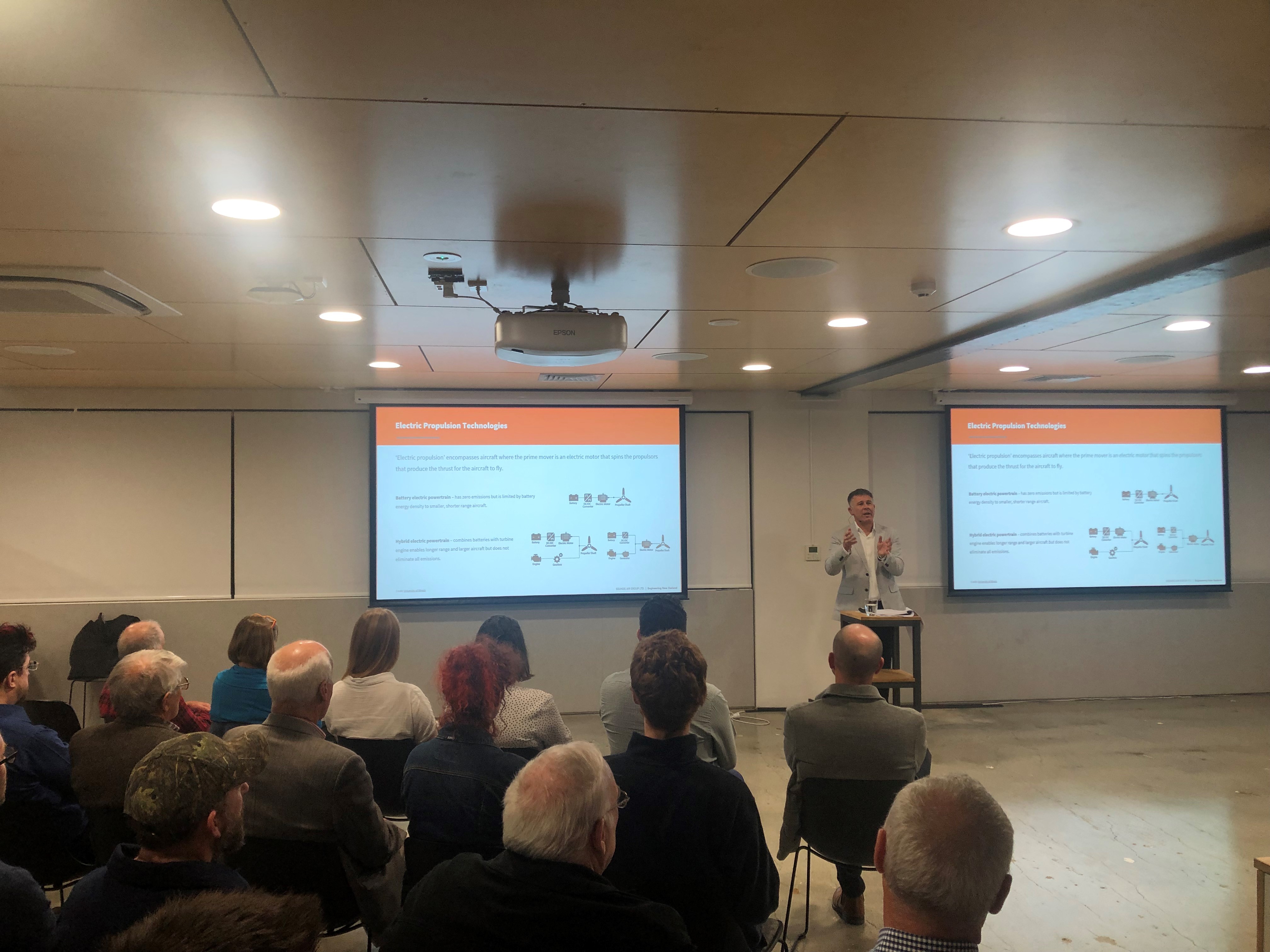
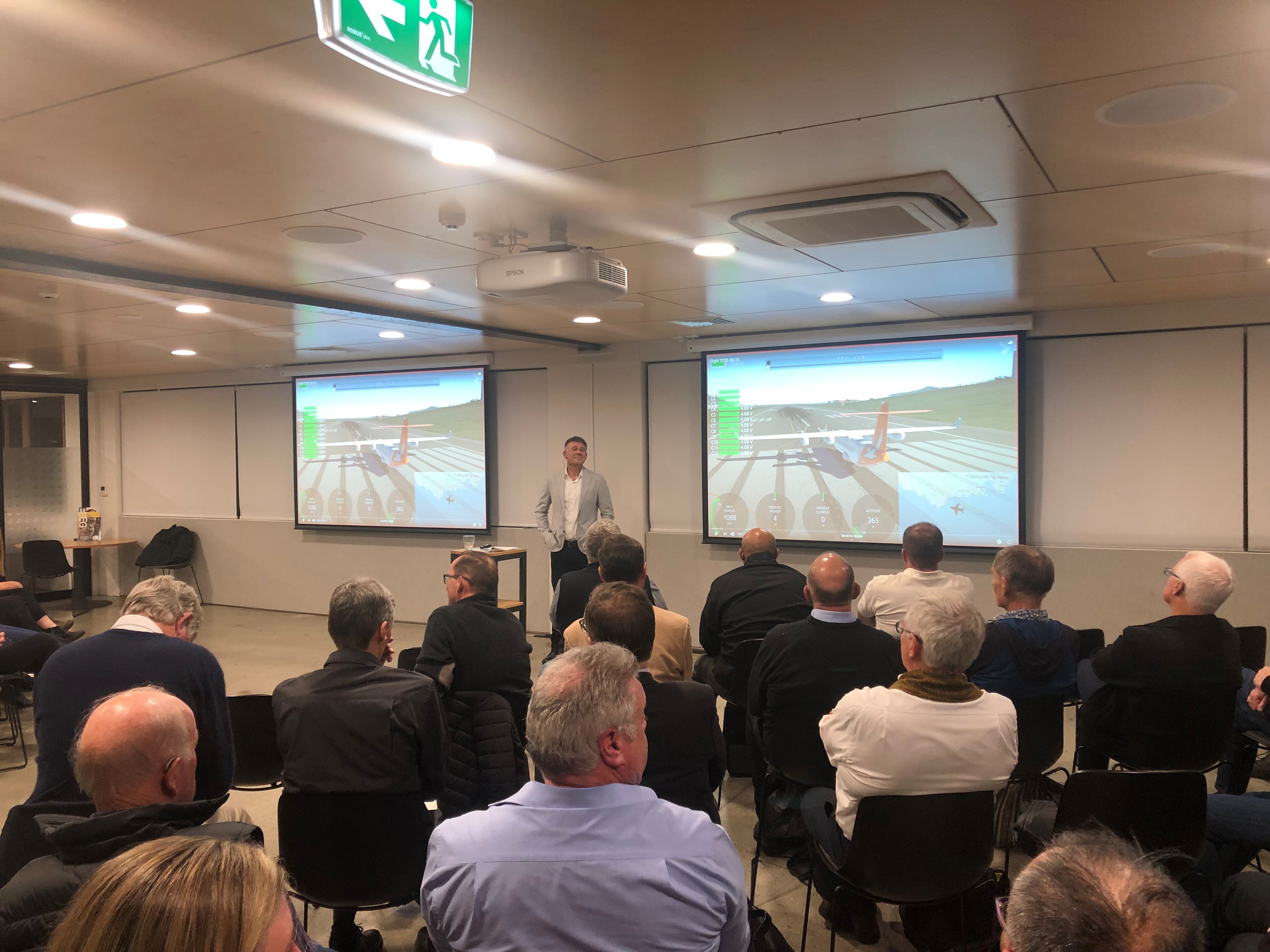
Joint Institution Event - Sounds Air: Electric Aircraft and their Journey... June 9
|
|
|
|
Date: 09 Jun 2021,
Time: 5.00PM – 6.30PM
Sessions: Online and Wellington
Duration: 1 hr 30 mins
Cost: Free event
Venue:
Engineering New Zealand
Level 6, 40 Taranaki Street
Te Aro
Wellington
6011
New Zealand
Registration Link:
https://www.engineeringnz.org/courses-events/event/sounds-air-electric-aircraft-and-their-journey-to-/
We were delighted to invite members of Engineering New Zealand, the Institution of Engineering and Technology (IET),
the Institution of Electrical and Electronic Engineers (IEEE) and Royal Aeronautical Society (RAes) to join us for a
unique insight into the potential use of electric aircraft for regional flights and the very real opportunity for it
to be realised within the Wellington region.
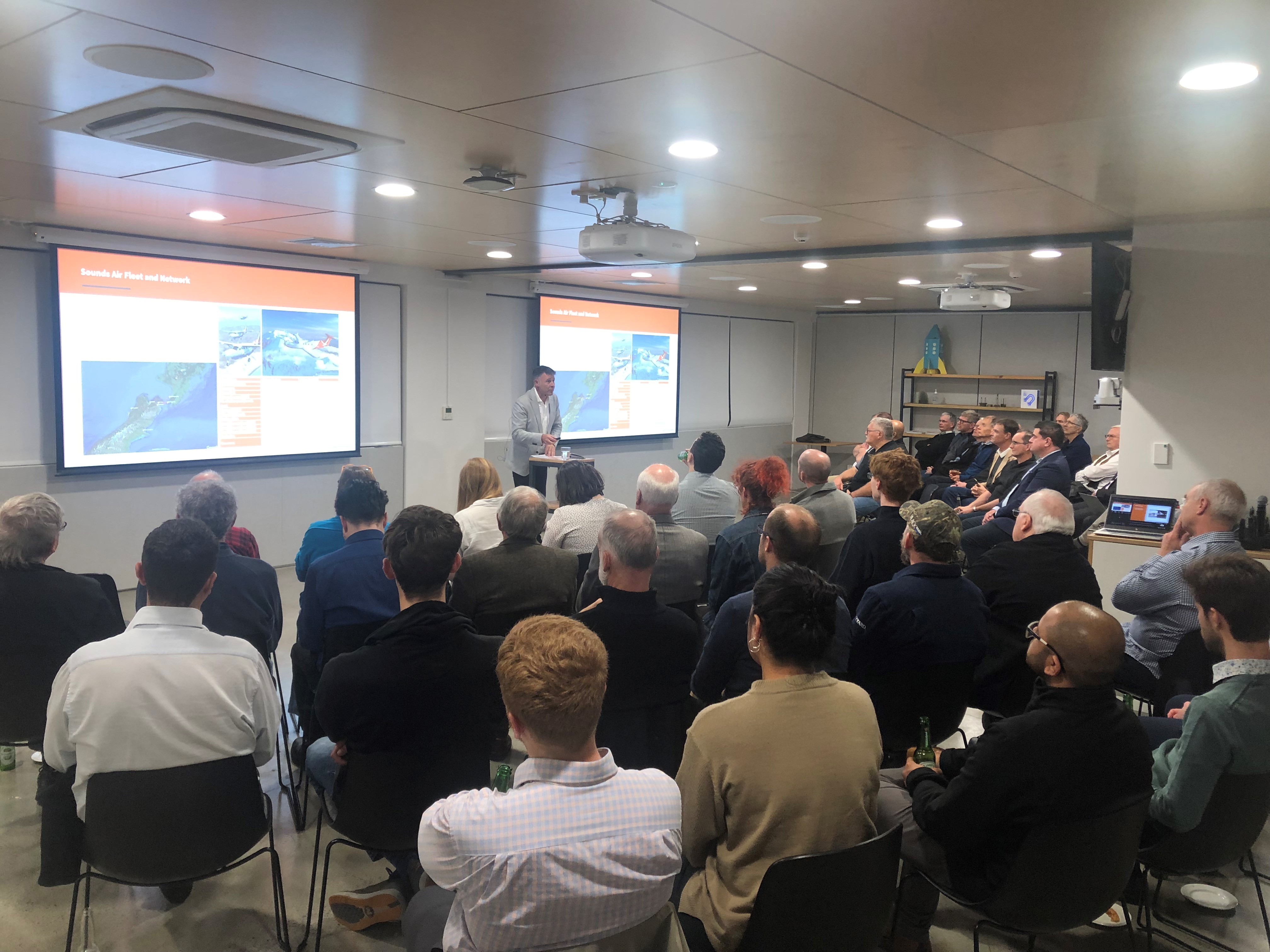
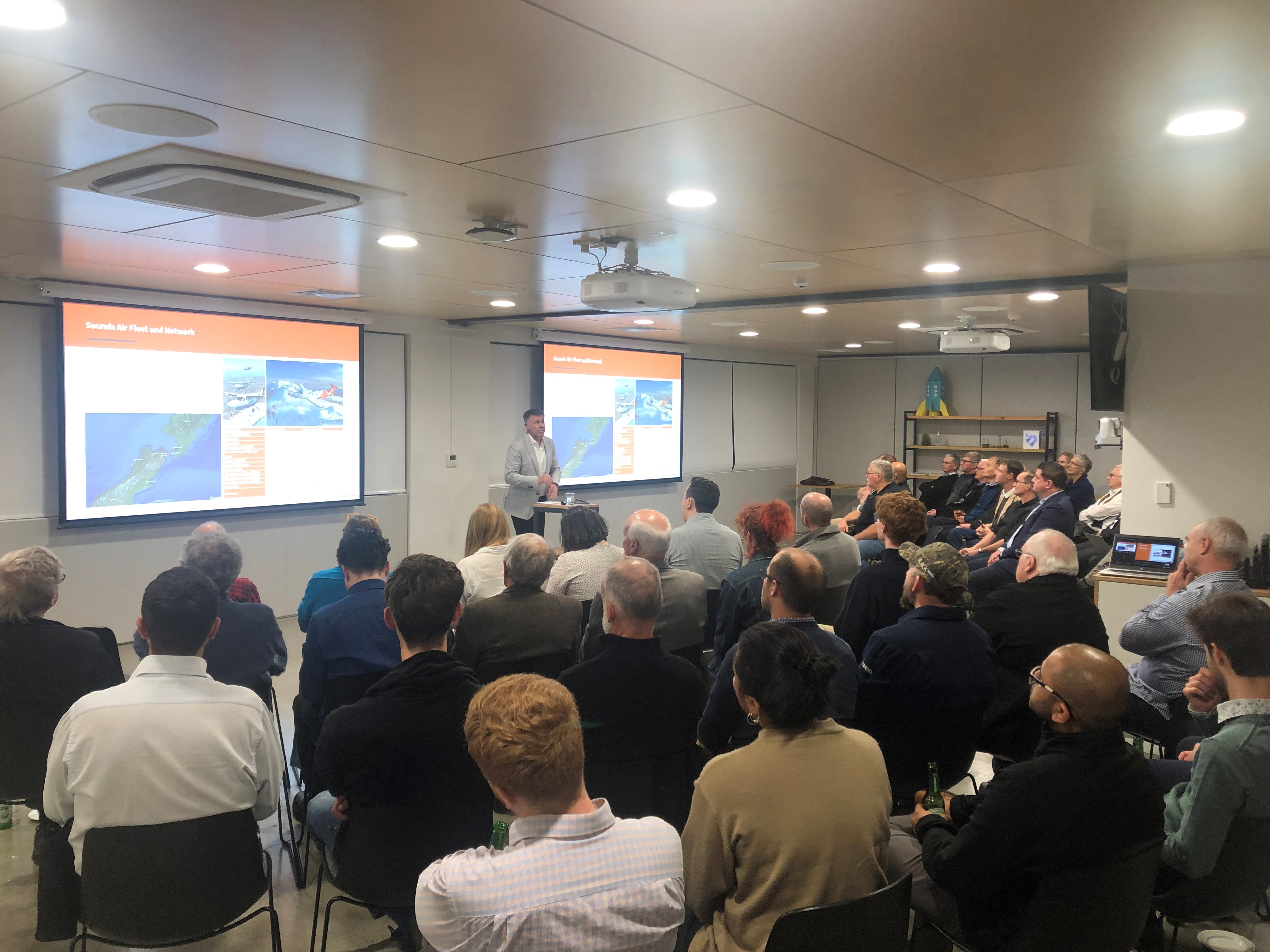
We were lucky enough to have Rhyan Wardman, Board Chairman and Director of Sounds Air, present to us on their journey
to date with Heart Aerospace and the very real opportunity to put New Zealand at the forefront of sustainable air travel.
Following the presentation Rhyan will be available to take questions.
The event started at 5:00pm with drinks and nibbles, with the presentation starting at 5:30pm sharp.
Report:
Around 70 people participated in person and over 250 in total including virtual attendees. It is hoped that the speaker
might be available next year to update us on developments in this
very interesting and fascinating area!
 |
 |
 |
 |
2021 ComSoc VDL by Prof Biplab Sikdar
Prof Biplab Sikdar gave an excellent virtual distinguished lecture (VDL) “Cyber Security and Privacy for Smart Cities” on Thursday 17 June 202. The talk went very well. We started at 3.45pm and finished at around 5.30 pm. We really enjoyed the lecture and learned more about Security and Privacy issues in the design and implementation of Smart Cities. We thank Prof Sikdar for his time to prepare this talk. Thanks go to participants for their support and to make the event a grant success. We also thank IEEE ComSoc for financial, and logistic support. Despite of the busy time of the year, about 96 participants attended the event. We had Q/A after the lecture. However, I received positive feedback from the audience indicating that the VDL event was successful.
Region 10 - TENCON 2021 - 15th August
The 36th edition of our IEEE Region 10, flagship conference TENCON is being arranged to be held through both physical and virtual online formats.
The local organizing committee have decided to plan for the physical version to be held as per the originally advertised dates of 7-10 December 2021.
The formal host section for TENCON 2021 is IEEE New Zealand North Section with conference organizing committee members representing all the three
sections and Council in New Zealand.
This brand of conference is being held for the very first time in New Zealand and the experience of the organizing committee and NZ North Section
volunteers of having hosted several flagship Chapter conferences and Region 10 events in the past, places us well to attempt to deliver this event
in a blended format i.e. both physical and virtual.
The event is scheduled to be held at AUT in Auckland.
The paper submission deadline is 15 August 2021. Please see the
available poster for detailed information.
TENCON 2021 IEEE Future Directions Guiding Smarter, Cleaner, Secure, and Resilient Living
Themes:
- Low-Carbon Energy Future
- Future of Space Technologies
- Smart Cities & Technologies
- Future of learning & computing
- Community spirit
- Future of Industrial Automation & Smart Manufacturing
- Future of work in world of Automation
- Future of Food, Nutrition, & Health
- Other Topics
- IEEE Societies Based
All peer-reviewed and presented papers will be uploaded to IEEE Xplore
Contact Email Submissions/Tracks: tencon2021@gmail.com
|
|
|
||||
